We are always ready to help you. Book an appointment
For Emergencies Contact: +91 8847270023
While contacts have many benefits, they may not be right for you if you:
Ask your provider if there are any reasons why you should avoid using contacts.
Call your eye care provider if you have:
Your tear layer in most cases provides all the necessary lubrication. However, if needed there is a few lubricating drops for artificial eye use. Often eye drops can be very beneficial against dryness, especially on extra dry or windy days. Some of the drops will help maintain a more natural looking wet surface on the ocular prosthesis.
It is important that you return routinely to your Ocularist
(at least once a year) or more often to have your ocular prosthesis checked, cleaned and polished. This will prolong the life of the artificial eye and make it look better and feel more comfortable.
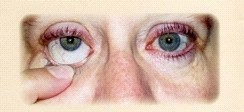
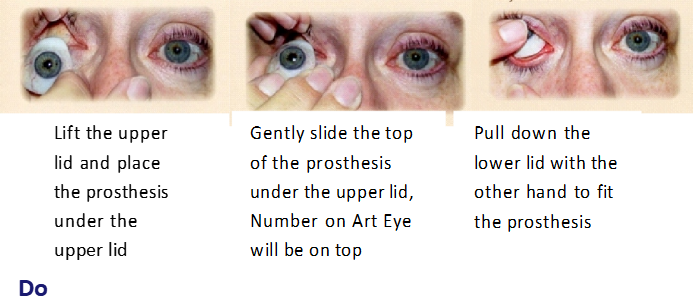
How to Remove Your Eye?
Preparation
To protect yourself from infection, wash your hands before you handle your prosthesis.
To protect the eye from damage, rest a towel over the
basin, bench or table. This ensures that if you drop the eye, it has a soft and safe landing.
To Remove
this is quite normal.
This depends on your own level of comfort. If you are wearing a scleral shell, you may have to remove the prosthesis at night.
Otherwise, the less you handle your eye, the better. We recommend to clean the prosthesis once or twice in a month. Your eye socket will let you kno w when the time is right, because it will become dry or irritated.
Wash your Art Eye with a Mild baby shampoo and clean water ensuring all soap is rinsed away before insertion.
Occasionally rinse the eye with contact lens solution (like ReNu, Complete).
Do not use alcohol, spectacle lens cleaner, hand sanitier, Colin or any chemical cleaner as even a small amount. It can cause irritation in the eye and damage to the prosthesis. Water or contact lenses cleaner are the best.
There is protein in your tears. As the tears evaporate, they leave a white coating of potein on the eye prosthesis. This build -up eventually causes a reaction on the undeside of the lids, leading to irritation. To help reduce protein build-up, periodically soak your eye for a few hours in contact lens solution, and then give it a good hard rub with a wet tissue.
Visit your ocularist regularly so that they can:
necessary for you
The tissue around the eye socket changes over time and the eye can become scratched, even with careful maintenance. For these reasons you should replace your eye every five to seven years, more often for children.
Restoring Confidence • Natural Appearance • Personalized Care
Book ConsultationAn artificial eye, medically known as an ocular prosthesis, is a custom-designed replacement for a missing or damaged eye. It is carefully crafted to match the size, color, and shape of the patient’s natural eye, creating a realistic and natural appearance. Although an artificial eye does not restore vision, it significantly improves facial symmetry, appearance, and self-confidence. Modern artificial eyes are lightweight, comfortable, and designed for long-term daily use.
Artificial eyes are commonly recommended after eye removal surgery due to trauma, infection, tumors, or congenital conditions. With advancements in prosthetic technology, patients can now enjoy a natural look that blends seamlessly with their facial features.
Patients who have lost an eye due to accidents, severe infections, tumors, or birth defects may benefit from an artificial eye. It helps restore appearance and improves emotional well-being.
There are two main types: stock eyes which are ready-made and cost-effective, and custom-made eyes which are individually crafted and hand-painted for maximum realism and comfort.
Artificial eyes enhance facial aesthetics, improve confidence, provide comfortable wear, and require minimal maintenance when properly cared for.
The fitting process begins with a detailed examination of the eye socket to ensure healthy tissue and proper shape. An impression of the socket is taken to create a perfectly fitting prosthesis. The artificial eye is then customized with accurate color matching to resemble the natural eye. After trial fitting and adjustments, the final polished prosthesis is delivered for comfortable daily use.

Proper care of the artificial eye is essential for hygiene and comfort. It should be cleaned daily using sterile saline solution. Avoid harsh chemicals or excessive rubbing. Regular follow-up visits help maintain fit and hygiene, ensuring long-term comfort and eye socket health.
Our experienced specialists provide personalized artificial eye fitting and long-term care solutions. Contact us today to restore confidence and comfort.
Call Now
Subscribe to our newsletter for expert tips, the latest in eye health, and exclusive offers delivered straight to your inbox!